Featured
Table of Contents
We think it's quite safe to assume you desire your service to make as many sales or create as lots of leads as you can. Whatever your goal for growth is, you can't reach it without increasing the number of clients who take that desired action. This process is called conversion rate optimization, or CRO.
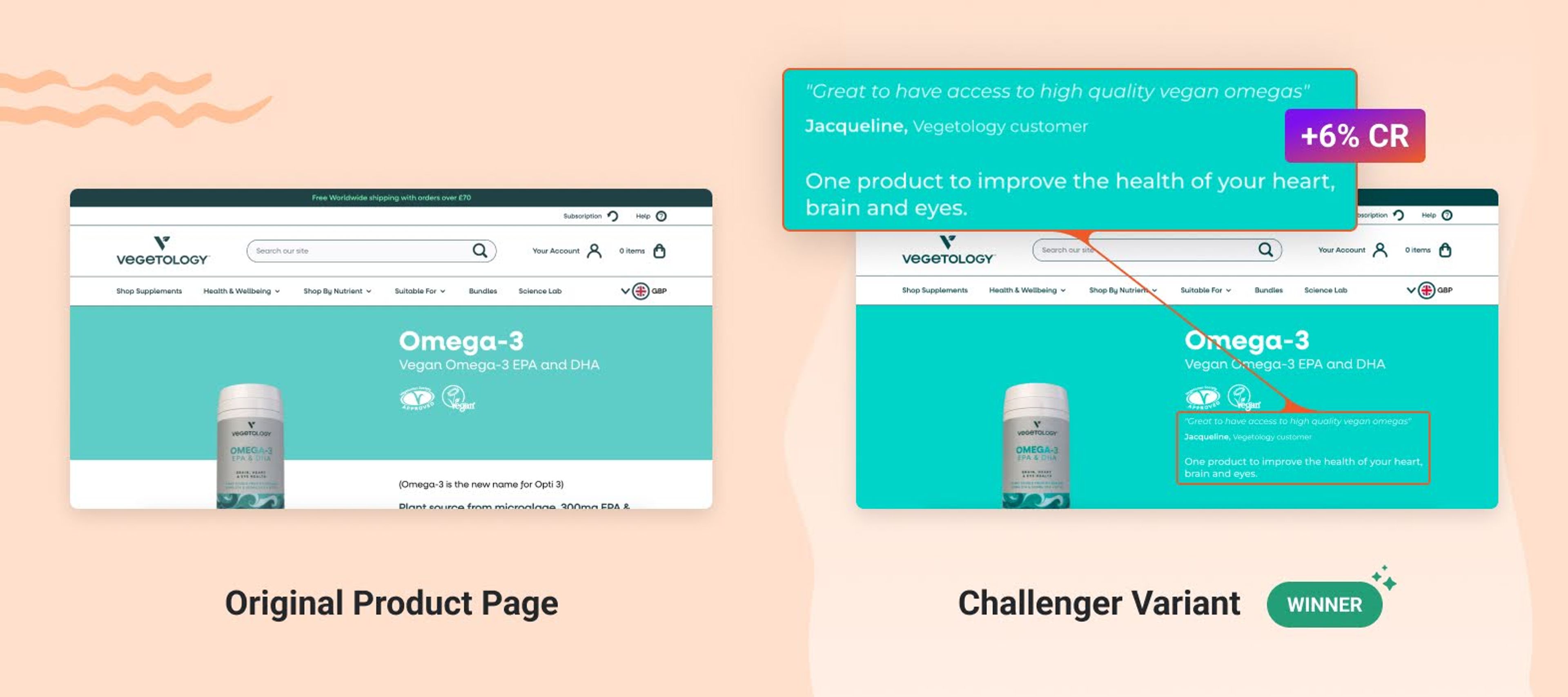
Here, we'll describe how to increase conversion rate and share some encouraging examples and best practices so you can enhance user engagement and grow revenue. Here's a typical CRO meaning: Conversion rate optimization is the process of improving the variety of users who take a particular action on your site.
Why is it important to take full advantage of conversions? It's not adequate to just get users to your site.
Your Ultimate CRO Strategy for Maximum ROI
Ultimately, conversion rate optimization in digital marketing boosts sales and drives revenue. Let's support for a 2nd: Before you can optimize your conversion rate, you require to know what a conversion rate is. And it's quite simple: A conversion rate is the percentage of users who complete a specific action on your website.
Conversions can include signing up for your newsletter, following you on social media, buying a product, registering in a free trial or info session, including a product to their cart, buying that item, clicking on a particular link, and more. No matter what conversions and metrics you're tracking, the idea of conversion rate will constantly stay the exact same.
Divide your conversions by your variety of users. Multiply this number by 100 to get a portion. If your ecommerce store made 100 sales last month and had 2,000 visitors, your formula looks like this: If, after some ecommerce conversion optimization, you have the same number of visitors but made 120 sales, you will have improved your conversion rate: A rough ballpark for the average conversion rate is somewhere between 2% and 5%.
Your Proven Optimization Checklist for Higher ROI
That makes comparing conversion rates with other organizations nearly meaningless. Keep in mind even little bumps pay off: Increasing your conversion rate by simply 0.5% can make a significant revenue distinction.
As the entry point for your user, a landing page is designed to transform, so you really want it to be effective. Make sure the most crucial and luring info is shown plainly at the top of your landing pages with clear, attractive calls to action (CTAs more on those listed below!).
Ecommerce services require to actively track metrics for conversion rate optimization on these necessary pages where sales are the leading concern. Consider: Changing out item images to highlight your product's most popular features. Modifying item descriptions to share attracting information more concisely. Moving "include to cart" and other purchase buttons higher up or making them stand out more.
Mastering the Modern Strategy for Growth
A content marketing method provides you lots of chances to add CTAs to article, believed management, and other published content. When you flow that content commonly on numerous channels, you can transform more brand-new and existing customers. CRO for blogs normally involves thoroughly put and strategically worded calls to action or inline forms that feel organic and natural within the subject.
CTAs are normally links or buttons triggering a user to include a product to their cart, register for your newsletter, get a free sample, or take any other action. Make certain these links and buttons work and work efficiently. Test and fine-tune the color, location, and phrasing of your CTAs to enhance conversion rate.
It's likewise an opportunity to direct them to other pages on your site and even convert them right off the bat. Make sure your headings, design, and design motivate visitors through the funnel toward the action you want them to take. Some users might browse straight to your prices page to cut to the chase, so this is another chance to optimize the impression you make.
Strategies to Craft a Winning Project Portfolio
You may likewise desire to include reviews, clear info about contacting customer care, and different pricing structures to even more attract visitors to transform. When asking a user to complete a contact kind or other survey, restrict the barriers to them completing that action. Enhance by consisting of just the absolutely necessary concerns and making sure your fields are easy to understand and fill out.
It's necessary to comprehend the needs and habits of your users if you wish to motivate them to convert. Understanding their discomfort points, objectives, monetary situation, and more can assist you optimize your conversion funnel. You can discover more about who is visiting your website and their understanding of your brand name through: Focus groupsSocial media listeningOnline forums and communitiesCustomer feedbackMarket research reportsUse the insights from this type of learning to hypothesize about which of the other methods below might be most reliable amongst your unique customer base.
In this manner, you can quickly determine where users are getting stuck. This type of funnel analysis can assist you eliminate barriers and improve conversion rates. Triple Whale's Funnel and Course Analysis can help! Tracking the method your visitors engage with your site can look various depending upon your brand. Some of the conversion rate optimization tools you might wish to explore are heatmaps, session replays, and analytics tools that determine KPIs like bounce rate or session duration.
Keep in mind where they are most active and consider moving a CTA there or enhancing the CTA that's already there. Note where they are least active, too. Theorize about why that may be, and make some changes to see if you can enhance engagement because location. Session replays offer similar insight however in a video-like reenactment of a user's time on your page.
Maximizing Online Growth Through Strategic CRO
Triple Whale can assist you develop the ultimate analytics control panel with lots of personalization based upon your service and objectives. Metrics like bounce rate can help you determine the stage of the funnel when users leave your site. Session period can give you insight into for how long they are contemplating a conversion and inspire you to attempt some of the other strategies on this list that might influence them to take the leap.
A/B testing involves collecting data on two various variations of an element on your websitelike a product photo or a landing page headlineto see which one carries out much better. Attempt A/B testing all sorts of pages and functions of your website, such as CTA copy and placement, headings, deals, product images, form questions, homepage imagery, landing page design, and more.
A call to action tells your visitor what you desire them to do next in no unsure terms. That means it's really crucial that the link, type, or button in fact works. Test and retest this performance and carefully monitor it for any bugs or concerns or you'll miss out on conversions.

Latest Posts
Achieving Sustainable Results By Modern Advancements
Why Great Material Fails Without a Circulation Strategy
Key Insights of Top User Experience Projects